
'What If We'd Seen Real Bodies?'
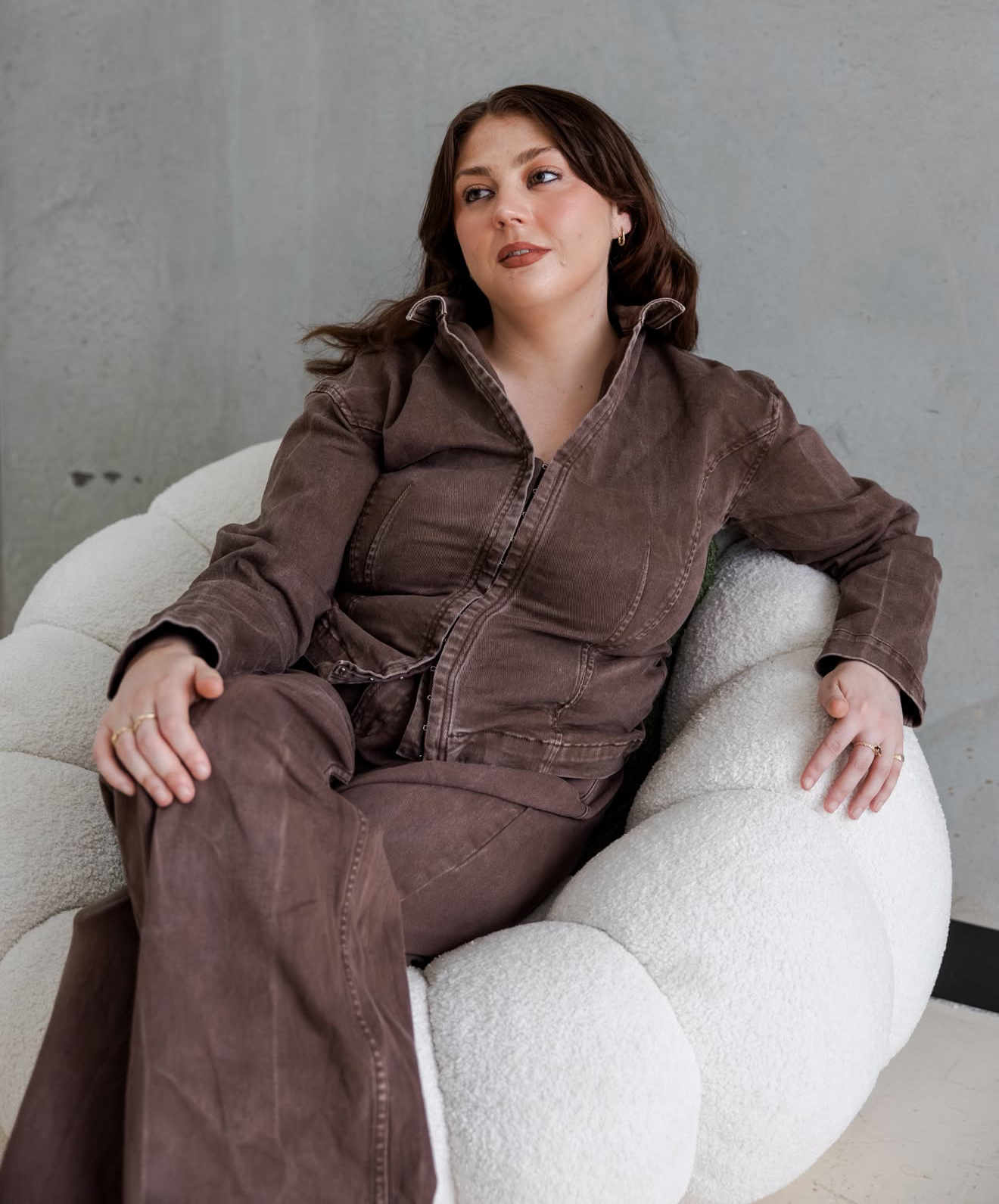
As I reflect on my experience with an eating disorder as a teenager, one question
keeps coming back to me: if the media, fashion and modelling industries had shown
us a wider range of real bodies when I was growing up, would I have struggled as
much as I did?
Eating disorders are complex, and there are so many different contributing factors
that can cause an eating disorder. But I do truly believe my first struggles with body
image grew out of the deeply unhealthy beauty standards that dominated society
when I was younger.
I first started struggling with my body image towards the end of primary school.
There was absolutely nothing wrong with my body or the way it looked. I was just 11
years old. I should have been carefree, laughing with friends and not thinking twice
about how my body looked. Instead, I already carried a quiet but persistent sense
that my body wasn't good enough, and that I was 'too fat'. What strikes me most now
is that nobody ever sat me down and told me there was anything wrong with my
body. They didn't need to. The message was already all around me, in the images I
saw and the way adults were speaking about their bodies. I absorbed every negative
word they were saying about theirs and believed that this related to my body too.
By my early teens, when my eating disorder really took hold, diet culture was in full
force. Magazines at the checkout ran "beach body" countdowns and circled
celebrities' so-called flaws in red. TV shows turned weight loss into entertainment.
Almost every model on the runway or in an ad campaign had the same very narrow
body type, and it was held up as the goal rather than as one of many ways a body
can look. The language crept into everyday life too. Foods were "good" or "bad",
people called themselves "naughty" for having dessert, and so many compliments
people received about their bodies were about weight loss or fitting into extremely
small clothing sizes.
I can't rewrite my story or claim that more diverse magazine covers alone could have
prevented my eating disorder. However, I wonder how different those early years
might have felt if I had seen bodies with stomachs, stretch marks, cellulite and wider
hips portrayed as normal, beautiful and deserving of love. What if the women I
admired on screen represented every shape and size? What if society encouraged
kindness toward our bodies and love for them, instead of pushing us to alter our
bodies to fit an ideal of 'beauty' shown everywhere? I believe I would have found it
easier to see my body as simply mine, not as a problem to fix. At least I might have
understood that nothing was inherently wrong with the way my body looked. When
every image suggests there's only one correct way to look, it's extremely difficult to
believe otherwise.
The problem was never our bodies. It was the standard we were measuring them
against. The images held up as "ideal" were rarely real. They were airbrushed,
filtered, carefully lit and often edited beyond recognition, showing a body type that
only a tiny fraction of people naturally has. Even the models in those photos didn't
look like their own pictures. And the ideal kept moving. One decade it was extreme
thinness; the next, a tiny waist with curves in all the "right" places; then a toned,
"clean" body that looked effortless but demanded constant control.
Some things have changed. Campaigns and runways now feature greater body
diversity than when I was younger, more people speak openly about eating
disorders, and diet culture is called out more often. However, in other respects, the
pressure has merely shifted. Today's youth carry these images everywhere on their
phones. Filters and editing apps can instantly alter and soften bodies. Much of the
so-called "wellness" content echoes traditional diet messages, just presented more
subtly. Algorithms learn what we linger on and serve us more of it, so a young
person who pauses on one "what I eat in a day" video can quickly find their feed
filled with them. And the comparison no longer stops at celebrities and models. It
now extends to friends, classmates and influencers who feel relatable, which can
make an unrealistic standard seem even more achievable, and falling short of it feel
even more personal. The narrow ideal hasn't disappeared. It has simply found new
ways to reach us.
Industries need to stop profiting from people's insecurities. Beauty, fashion, diet and
"wellness" brands have made billions by convincing us our bodies are problems that
only their products can fix. They sell us the insecurity and then sell us the solution.
That must change. Brands should show real, unedited bodies, make clothes for
every size, and be honest when they alter an image. Social media platforms should
stop pushing harmful content to young users just because it keeps them scrolling.
And as consumers, we have more power than we think. Every time we choose
brands that celebrate real bodies over those that profit from making us feel small, we
send a message about what we will and won't accept.
I'll never know for certain whether seeing a wider range of bodies would have
changed my path. But I do know that representation matters. What we see shapes
what we believe is normal, and what we believe is normal shapes how we treat
ourselves. We can't switch off the algorithms or edit every image our kids come
across, but we're not powerless either. That's why I'm hopeful we can build a
healthier body culture together, and it starts closer to home than we might think.
It starts with us. Many adults I grew up with were quietly caught up in these same
standards. They passed down the messages they had received as children, often
without realising it. Breaking this cycle requires choosing to do so. It means noticing
the harsh comments we make about ourselves in the mirror, questioning where
those beliefs come from, and treating our bodies with the kindness we hope our
children will learn. Kids are always observing. When they see adults enjoying food
without shame, wearing swimwear confidently, getting in the photo and moving for
joy rather than punishment, they learn something magazines never taught me: that
their bodies are worth caring for as they are.
Most importantly, we need to create a safe space for open conversations. Struggling
with food or body image is nothing to be ashamed of, and seeking help early is
crucial. I stayed silent for too long, and I don't want any young person to feel they
have to do the same.
We can't control every image our children see, but we can influence what they hear
from us. We can remind them that the bodies on their screens are often not real, and
that the standard itself is the problem, not them. We can be the voice that reassures
them that nothing is wrong with them. I wish someone had told me that at age 11.
Let's make sure every child hears it now.
Real bodies have always been beautiful. It's time for the world to show it.


Comments